
In stormwater compliance, “BMP” stands for Best Management Practices. BMPs can consist of methods, devices, or land management techniques all used to minimize and ideally prevent the negative impacts that stormwater runoff can create. BMPs will typically fall into one of two categories: structural and non-structural. Today’s post will focus on common Structural BMPs.
Structural BMPs
Structural BMPs are physical, engineered systems and devices designed to manage stormwater runoff. Some examples of structural BMPs include:
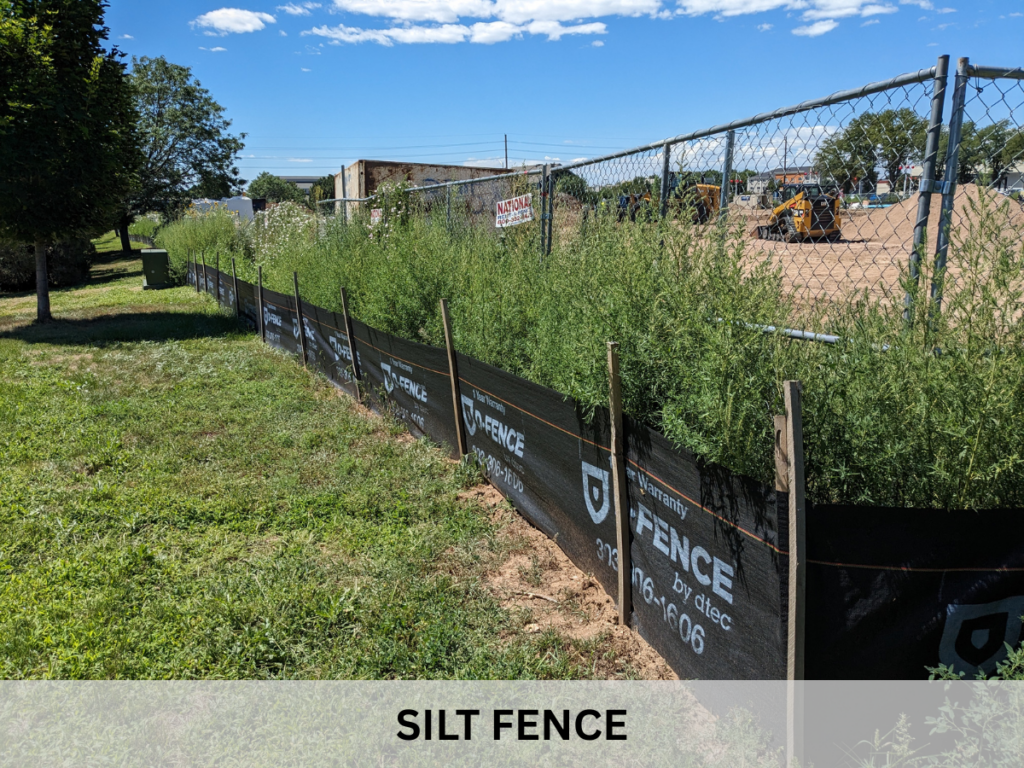
Silt Fence – A temporary barrier made of porous fabric, trenched into the ground and supported by stakes that allows water to flow through without bringing pollutants
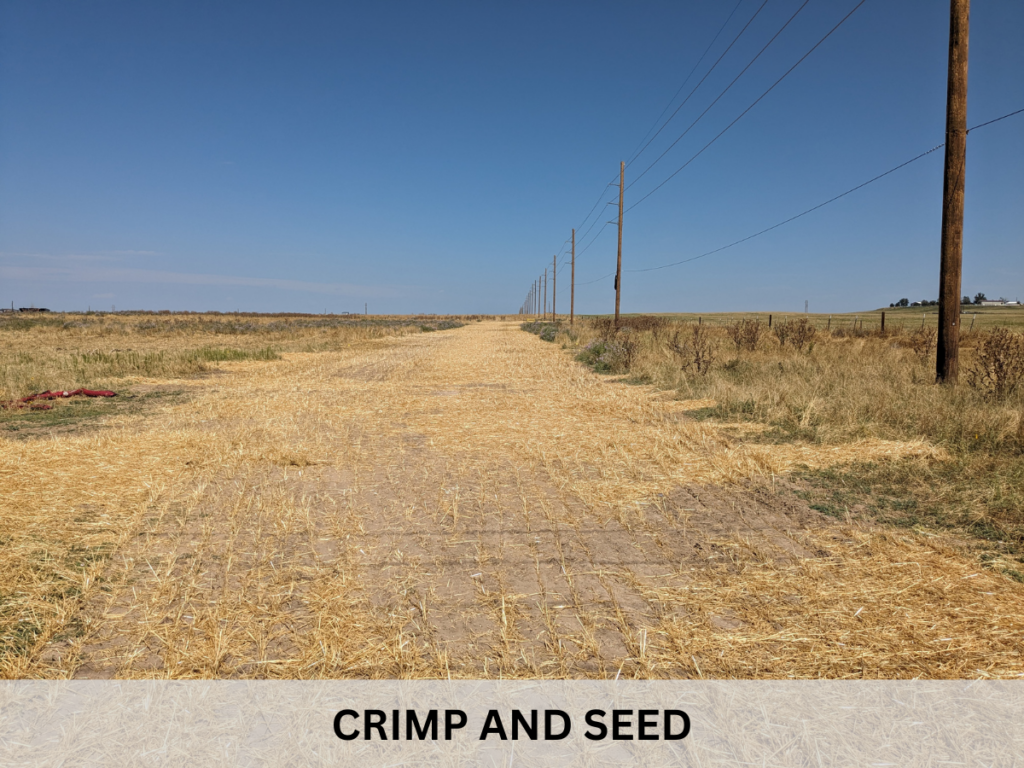
Crimp and Seed – This two-step process involves seeding an area and then securing a layer of straw mulch by “crimping” it into the soil. This creates a protective, moisture-retaining cover that prevents soil and seeds from being washed away by stormwater runoff.
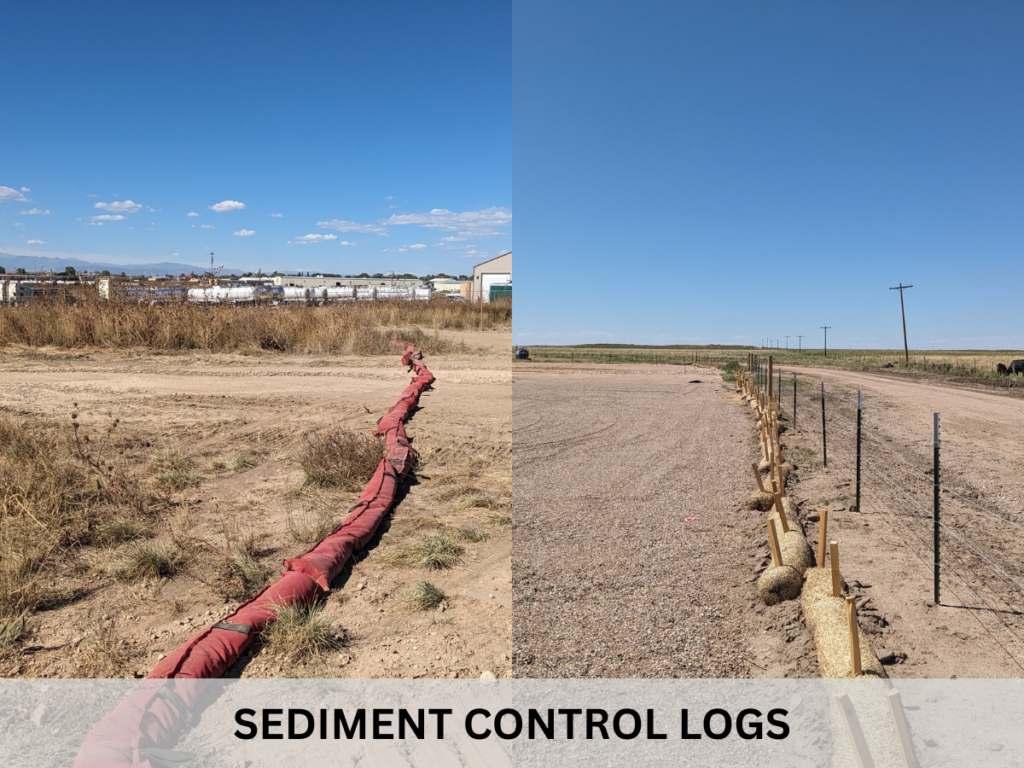
Sediment Control Logs/Rock Socks – These are usually made up of woodchips or straw, or rocks. They have many uses. They can be installed along a construction site perimeter to contain it, on a slope or channel as a check dam to slow down the flow of water, or around stock piles or inlets.
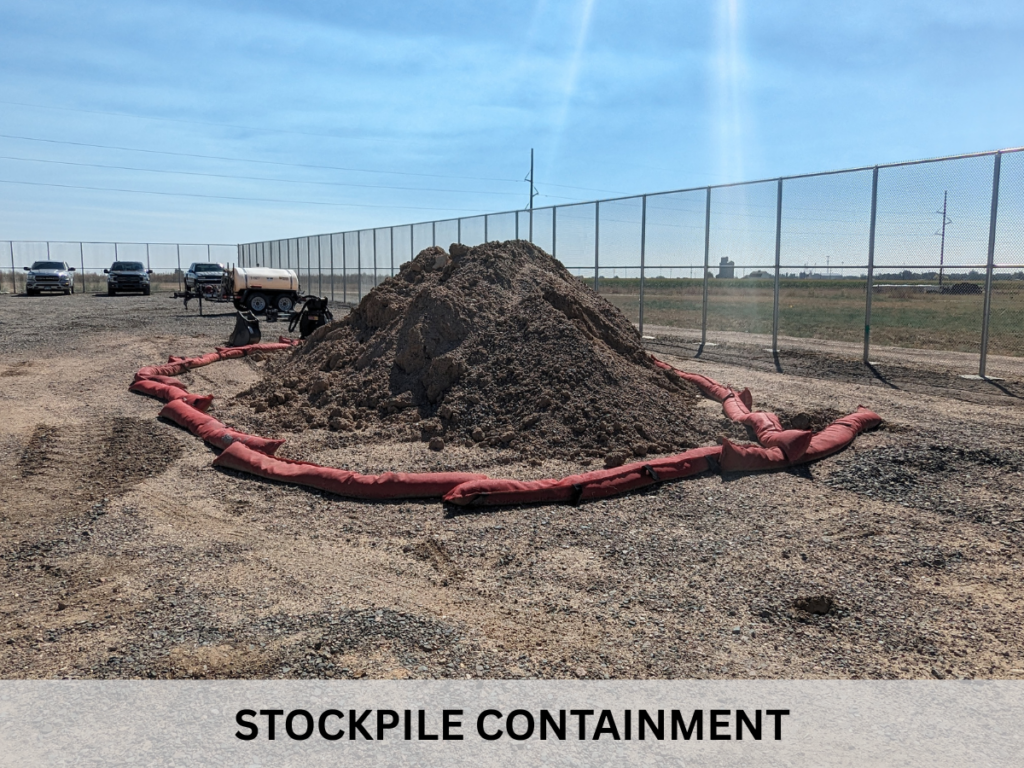
Stockpile containment – These practices include measures like using sediment control logs or covering stockpiles with plastic sheeting or vegetation, and locating them away from drains or steep slopes.
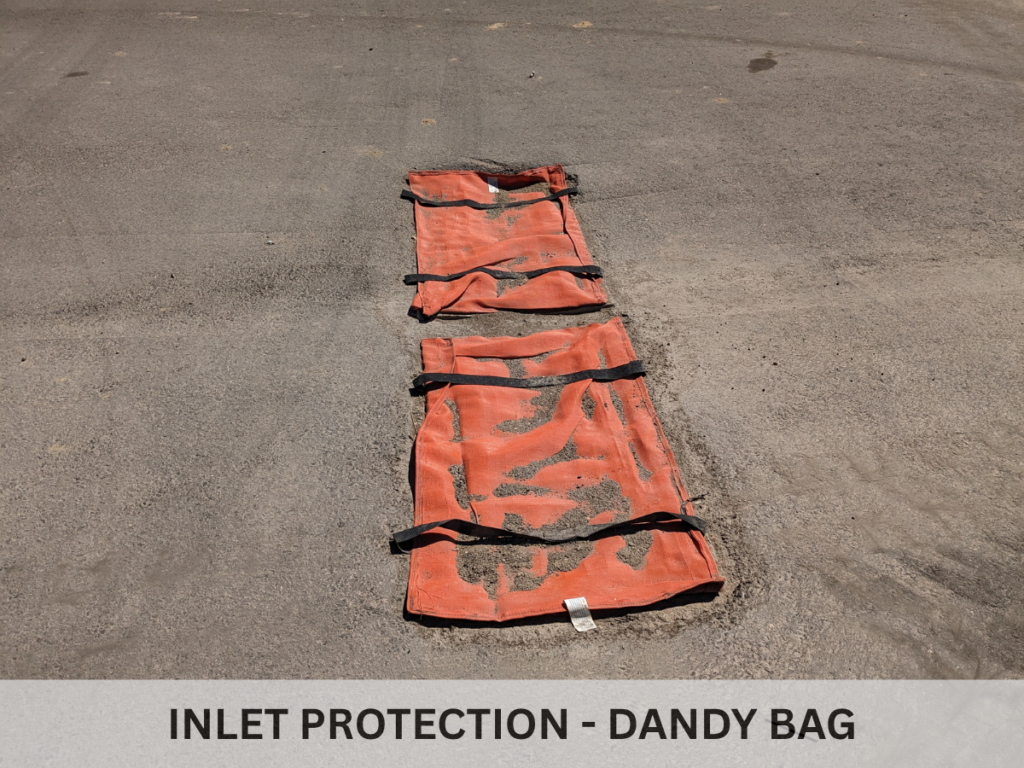
Inlet Protections – Temporary or permanent structures, such as barriers or filters, placed around storm drain openings to prevent sediment, trash, and pollutants from entering the stormwater system. Note that there are a large number of possible inlet protection devices and designs. It will be important to know what is required in your particular jurisdiction.
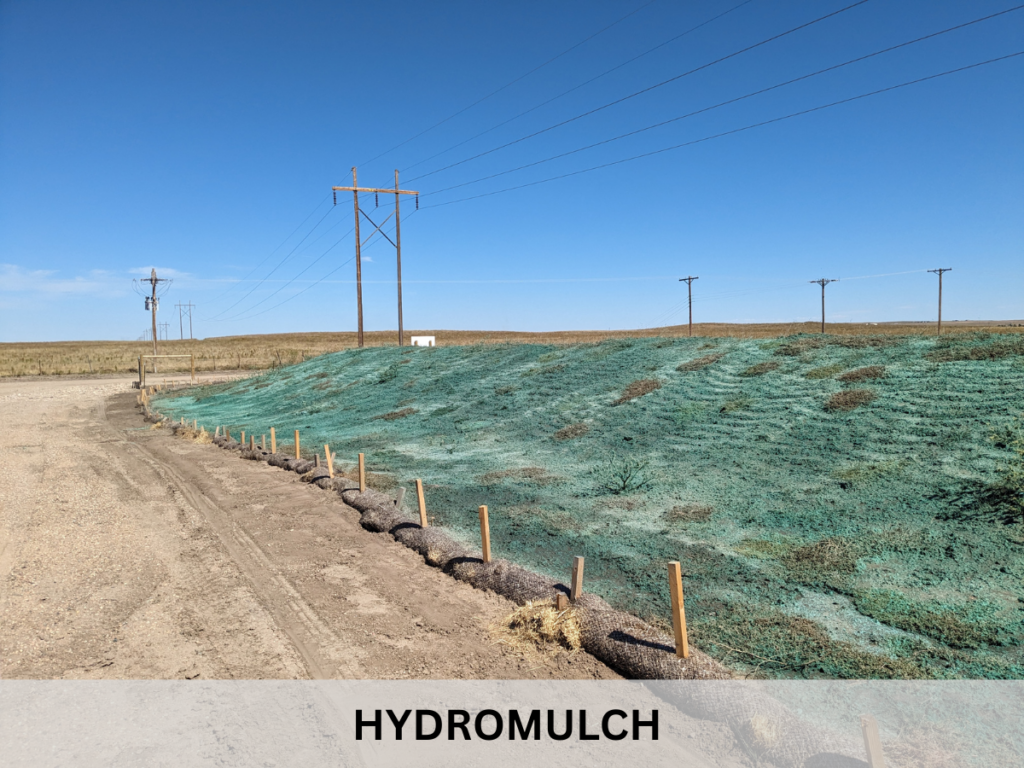
Hydromulch – a slurry of water, seed, mulch, and stabilizing agents sprayed over bare soil to promote vegetation growth and reduce erosion, particularly on slopes.Vehicle Tracking Controls – used at site entries/exits to prevent dirt, mud, and other pollutants from being carried onto public roads by vehicles. Various VTC methods can include plastic FODs, rumble grates, rock, or mats.
There are many types of Best Management Practices (BMPs) available, and selecting the right ones for your project can be challenging. Our team has developed a free downloadable BMP Guide to help simplify the process.
Our Compliance Experts can also assist with identifying the most effective BMPs for your specific site and developing a comprehensive Stormwater Management Plan (SWMP) that includes both structural and non-structural controls.
Download the free BMP Guide or contact our team for guidance tailored to your project needs.